

Arriving with a dog – give your four-legged friend time!
Inhalt
Whether emigration or vacation: Many four-legged friends need at least as much time to get used to a new place as we do. Moving into a room, laying out a blanket, putting down a bowl, going out for a short walk – that’s often not enough.
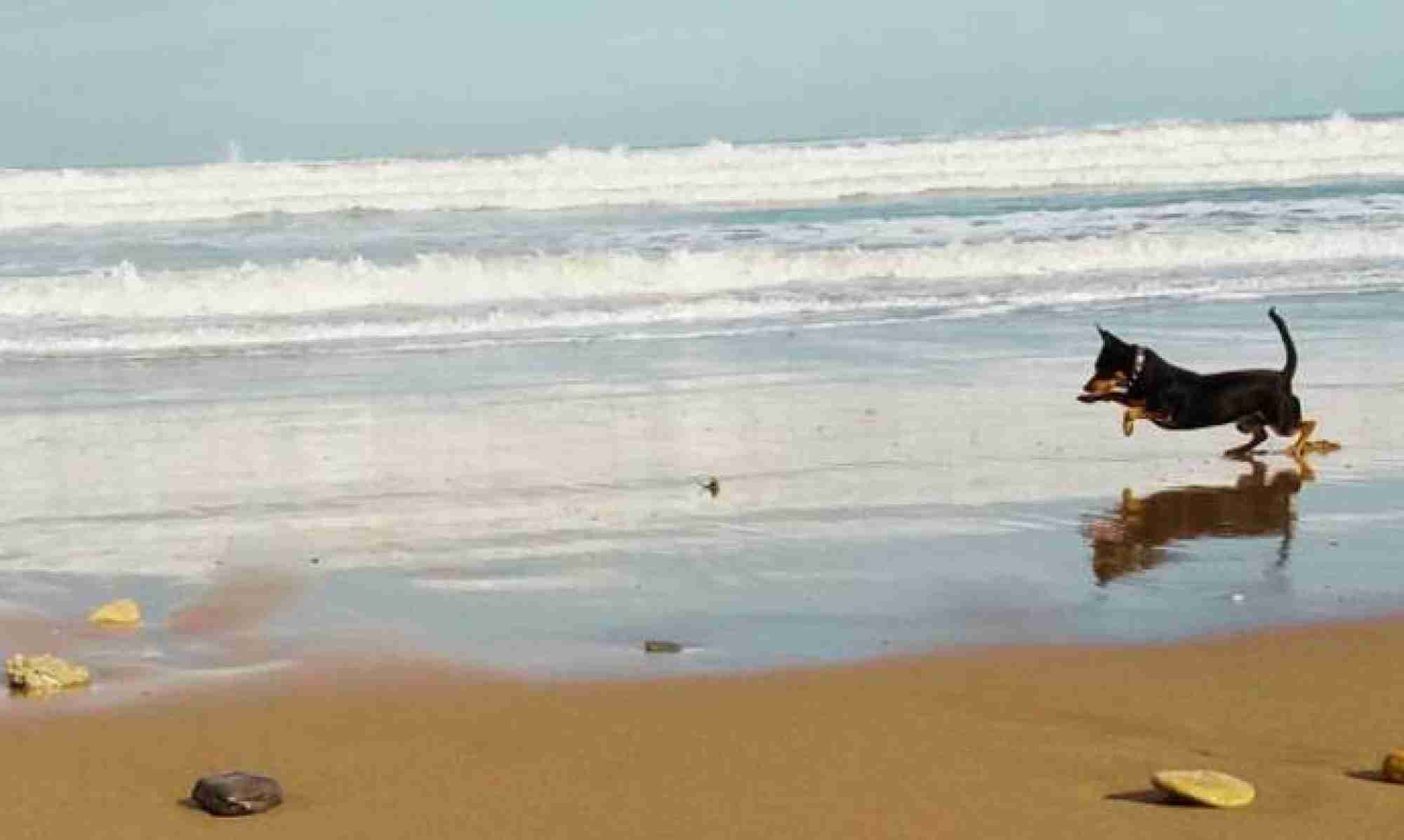
Especially those who emigrate with a dog will find that even furry friends need time to get used to their new surroundings. In the Philippines, for example, everything suddenly smelled completely different. Having just frolicked in the snow, crab hunting on the beachwas now on the agenda. However, the biggest thirst for adventure must be carefully accompanied by the owner, as dogs “brought along” are not familiar with local species and cannot assess their potential danger.
Spanish dogs usually know which caterpillars they should not sniff at. Paraguayan dogs generally keep their distance from porcupines. And African dogs usually give scorpions a wide berth. Depending on where and with whom your dog has grown up, it may need training when encountering these animals.
New rooms smell different
But the new premises alone are also a challenge for our dogs. Unfamiliar corridors, doors with the smells of other dogs, noises that sound different at night than during the day. A balcony with new perspectives, a garden full of strange traces. Sheffield always found it exciting and usually quickly made the new home his own, but the first thing he always needed was his little bowl in the right place for him, his wuddele, his blanket, his basket and his rabbit.
We therefore got into the habit of looking at new accommodation from his perspective first. Where could he lie without having to keep an eye on everything? Was there a place where nothing was expected of him? Were doors, balconies and garden gates really safe – or only at first glance?
Vacation homes with gardens in particular often seemed uncomplicated, but they weren’t always. In many countries, strays, cats or free-roaming dogs were part of everyday life. For us, they were part of the environment, which we observed closely so that we could intervene immediately in the event of danger. For him, it was initially something that had to be dealt with, without fear, but with the clear security of having his “pack” around him. He watched, listened and sorted. When he slowed down or sought rest more quickly, we knew that he first had to process what he had experienced. A short walk in the evening was enough.
We also had to make sure that Sheffield didn’t sniff at everything and everyone. He instinctively avoided many insects, but some he didn’t know at all and therefore couldn’t assess the danger. A clear and definite “fie” immediately showed him where the new boundaries were.
Relax at your own pace
Every dog has its own pace. And we found that it always depended on the accommodation. There were places where he felt at home from the very first second. In others, he never really arrived. Just like us humans. Arriving takes time. For dogs – and for people.
Checklist: Arriving at a new place with your dog
Check accommodation from a dog’s point of view first
- Choose a berth with peace and quiet and a place to retreat to
- No continuous monitoring necessary (not in the middle of the passage)
- Secure windows, balconies and patio doors
- Check garden gates and fences for gaps
Making the familiar visible
- Lay out your own blanket or dog bed
- Use familiar bowls
- Have your favorite toy or chew ready
- Maintain fixed routines (feeding, rest periods)
Slowly develop the surroundings
- Keep first walks short
- Allow sniffing, reduce speed
- Observe new sounds and smells, do not force them
- Control encounters with unfamiliar animals
Keep an eye on strange animals & strays
- Do not leave dogs unattended in unknown gardens
- Keep your distance from stray animals, cats and wild animals
- Use a leash until the surroundings can be assessed
- Know local special features (insects, reptiles, wild animals)
Recognize excessive demands
- Take frequent lying down or withdrawal seriously
- Less distance ≠ less capacity utilization
- Consciously plan rest after intense impressions
- No expectations of “arriving quickly”
Give time
- Not every location fits immediately
- Arriving is not a schedule
- Safety comes from repetition
- Trust grows quietly