

Dementia in dogs – recognize, understand and act correctly
Inhalt
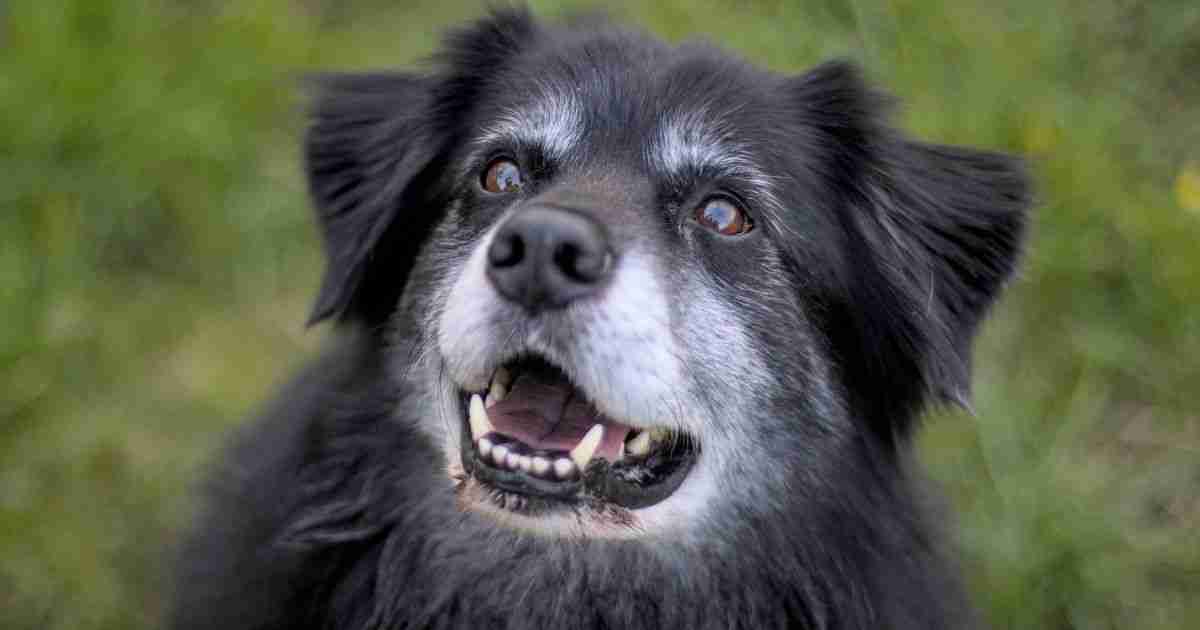
As a dog gets older, its behavior and needs change. The muzzle turns gray, the eyes become duller and you can no longer hear as well. In Sheffield’s case, we noticed his age above all in his desire for more rest – that’s normal. But sometimes there is more to the change than just the aches and pains of old age. Dogs can also suffer from dementia, medically known as Canine Cognitive Dysfunction (CCD).
Many owners notice the first signs late or classify them as “normal ageing”. However, early detection is crucial in order to maintain quality of life.
What is dementia in dogs?
Dementia in dogs is an age-related disease of the brain. It is similar to Alzheimer’s in humans:
- Degradation of nerve cells
- Reduced metabolism in the brain
- Deposits of certain proteins
- Reduced blood flow
The result: memory deteriorates, orientation is lost and behavior changes. Dogs are mainly affected from around ten to 12 years of age, large breeds sometimes earlier.
How do you recognize dementia in dogs?
You can tell whether your dog has dementia if you observe him closely. Vets generally follow the so-called DISHA rule. It describes the following typical symptom groups:
1. disorientation: the dog stops in corners, can no longer find its way out and appears “lost” in its own home.
2. change in interaction: your four-legged friend shows less interest in the person they are with. It often does not react or only reacts with a delay. Sometimes he appears distant, then again unusually affectionate.
3. disturbed sleep-wake rhythm: Dementia can also lead to restlessness at night, which in turn leads to a greater need for sleep during the day. Some dogs also lose their sense of day and night.
4. house-training: Depending on the stage, your pet may forget that he is actually house-trained. He can no longer reliably come out and often does his business in the house.
5. change in activity: Your woof runs around aimlessly, repeats certain movements over and over again or stares into space.
A single symptom does not mean dementia. However, if several symptoms accumulate over weeks or months, you should definitely talk to your vet.

Important differential diagnoses
Not all altered behavior is dementia. Similar symptoms can be caused by
- Pain (e.g. arthrosis)
- Thyroid problems
- Tumor diseases
- Hearing or visual impairment
- Kidney diseases
A thorough health check is therefore essential.
What can be done to prevent dementia in dogs?
A complete cure is not possible. The aim is to slow down the progression and give the dog security.
1. dogs with dementia need predictability:
- Fixed feeding times
- Consistent walking routes
- Do not move furniture
- Calm, clearly structured everyday life
- Security reduces stress
2 Train the brain – but in an adapted way
Easy mental tasks promote mental activity:
- Sniffing games
- Simple search tasks
- Food hiding places
- Calm trick training
But avoid excessive demands! Short units are more effective than long training sessions
3. regular, moderate exercise improves:
- Circulation
- Oxygen supply
- Mood
- Short, frequent walks are ideal
4. special nutrition
Studies show that certain nutrients can have a supportive effect:
- Omega-3 fatty acids
- Antioxidants (vitamin E, C)
- Medium-chain fatty acids (MCT oil)
- B vitamins
There is special senior food with an appropriate composition. Consultation with your vet is advisable.
5. medication
In some cases, the vet may use medication that
- improve blood flow to the brain
- Influence neurotransmitters
- Maintaining quality of life – what really counts
Whether this really comes into play depends on the stage of the disease. Dementia does not automatically mean suffering. Many dogs live with the disease for years – if owners remain attentive.
As with us humans, the same applies to dealing with dogs with dementia
- Patience
- Understanding
- Adaptation of everyday life
- No penalty for “misconduct”
A dog with dementia does not “forget” out of spite. He simply doesn’t know any better. And this requires a lot of love and care.
When is the right time to act?
As with all incurable illnesses in your dog, this is a difficult question, but one that must be faced head-on: If your dog is permanently anxious, no longer eats, is constantly injured or suffers massively, you should discuss the issue of quality of life with your vet. After all, the aim is never to prolong life to the maximum, but to age with dignity.
Conclusion:
Early detection makes all the difference. Dementia often occurs in dogs – but usually goes unrecognized. If you know the typical symptoms, you can react early and make a big difference. A structured daily routine, appropriate exercise, mental stimulation and a suitable diet help to slow down the progression. Above all, however, a dog with dementia needs peace, closeness and security. And people who love and understand him.
Checklist: First signs of dementia in dogs
Disorientation
Restless at night
☐ House uncleanliness
☐ Changed interaction
Aimless wandering around
Forgotten commands
If several points apply, please go to the vet!
Frequently asked questions about dementia in dogs
What are the first signs of dementia in dogs?
The first signs are disorientation, altered social behavior, disturbed sleep-wake rhythm, house uncleanliness and aimless wandering. If several symptoms occur at the same time, a vet should be consulted.
At what age do dogs develop dementia?
Dementia usually occurs from the age of 10 to 12 years. Large dog breeds can show cognitive changes at an earlier age.
Can dementia in dogs be cured?
No, dementia in dogs cannot be cured. However, the progression can be slowed down with a special diet, medication, mental activation and fixed routines.
How is dementia diagnosed in dogs?
The diagnosis is made by ruling out other conditions such as pain, thyroid problems or neurological disorders. There is no single test that clearly proves dementia.
Does special food help with dementia?
Yes, food with omega-3 fatty acids, antioxidants and medium-chain fatty acids (MCTs) can have a supportive effect and promote brain function.
Is there medication for dementia in dogs?
Yes, there are drugs that improve blood flow to the brain or influence certain neurotransmitters. They alleviate symptoms, but do not cure the disease.
How long does a dog with dementia live?
This depends on the stage and general health. Many dogs live for several years with a good quality of life if they are supported at an early stage.
Can dementia in dogs be prevented?
Complete prevention is not possible. However, regular mental activity, exercise, a balanced diet and social interaction can reduce the risk.